




The Vital Role of a human rights lawyer in Today’s Society
Introduction
Human rights lawyers play a crucial role in the advocacy and protection of fundamental human rights in various contexts. These legal professionals are dedicated to defending the rights of individuals and communities, often in the face of overwhelming opposition. As global challenges such as poverty, discrimination, and systemic injustice continue to persist, the importance of human rights lawyers cannot be overstated.
Understanding Human Rights
Human rights are the basic rights and freedoms that belong to every person in the world, from birth until death. These rights encompass a wide range of protections, such as the right to life and liberty, freedom of expression, the right to work and education, and many more. Different treaties and laws exist to uphold these rights on a national and international level, but enforcement and compliance can be elusive.
The Role of Human Rights Lawyers
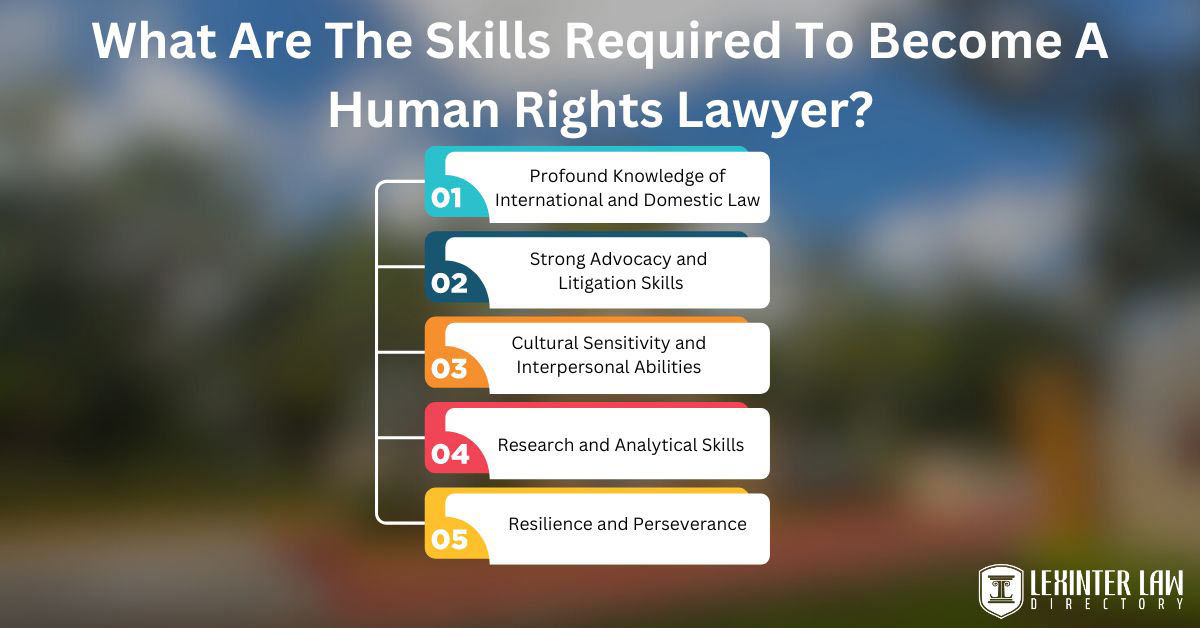
Human rights lawyers are tasked with the vital job of interpreting these rights and ensuring they are respected. Their work often involves:
- Litigation: Bringing cases against individuals, corporations, or governments that violate human rights.
- Advocacy: Campaigning for legal and policy reforms that enhance human rights protections.
- Education: Informing individuals and organizations about their rights and how to exercise them.
- International Work: Collaborating with international bodies like the United Nations to address human rights violations worldwide.
Challenges Faced by Human Rights Lawyers
While the work of human rights lawyers is incredibly important, it is not without its challenges. Some of the most significant obstacles include:
- Threats and Intimidation: Many human rights lawyers face personal danger, including threats to their safety and well-being.
- Limited Resources: Many operate in underfunded organizations, making it challenging to effectively pursue cases or raise awareness.
- Bureaucratic Hurdles: They often encounter legal and bureaucratic obstacles that can hinder their efforts.
- Lack of Public Support: In some cases, public apathy or hostility towards human rights issues can be discouraging.
The Impact of Technology
In recent years, technology has significantly changed the landscape of human rights advocacy. Social media platforms enable broader outreach and awareness, allowing human rights lawyers to mobilize public opinion in real-time. However, the same technology also presents new challenges, such as online harassment and the spread of misinformation.
Case Studies of Human Rights Law
Case Study 1: The Fight Against Torture
One prominent example of the work undertaken by human rights lawyers is the legal battles against torture. In various countries, lawyers have successfully litigated against government actions that violate anti-torture treaties. International legal frameworks, such as the Convention Against Torture, provide the foundation for holding perpetrators accountable.
Case Study 2: Refugee Rights
Human rights lawyers are also on the front lines of defending the rights of refugees. They engage in legal actions to ensure that refugees receive fair treatment and protection under international law. This work often includes navigating complex asylum processes and challenging illegal deportations.
The Future of Human Rights Law
As the world continues to grapple with evolving issues such as climate change, growing inequality, and shifts in political power, the need for dedicated human rights lawyers will only increase. These legal professionals must adapt their strategies to address new challenges while remaining committed to their core mission of protecting individual rights and promoting justice.
Training and Education
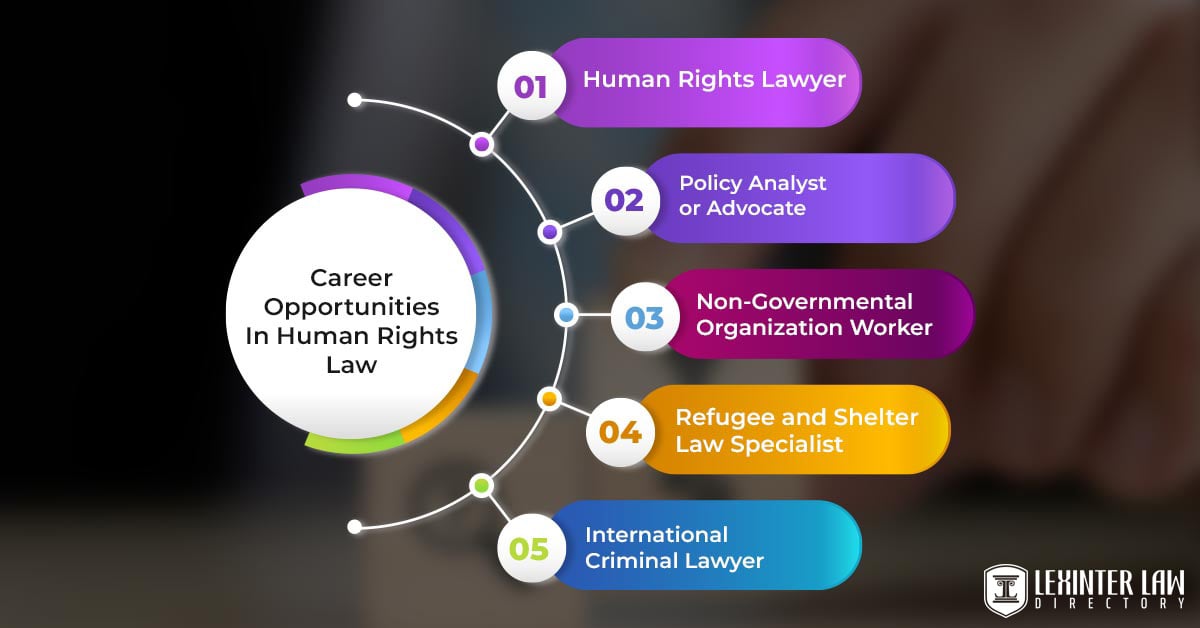
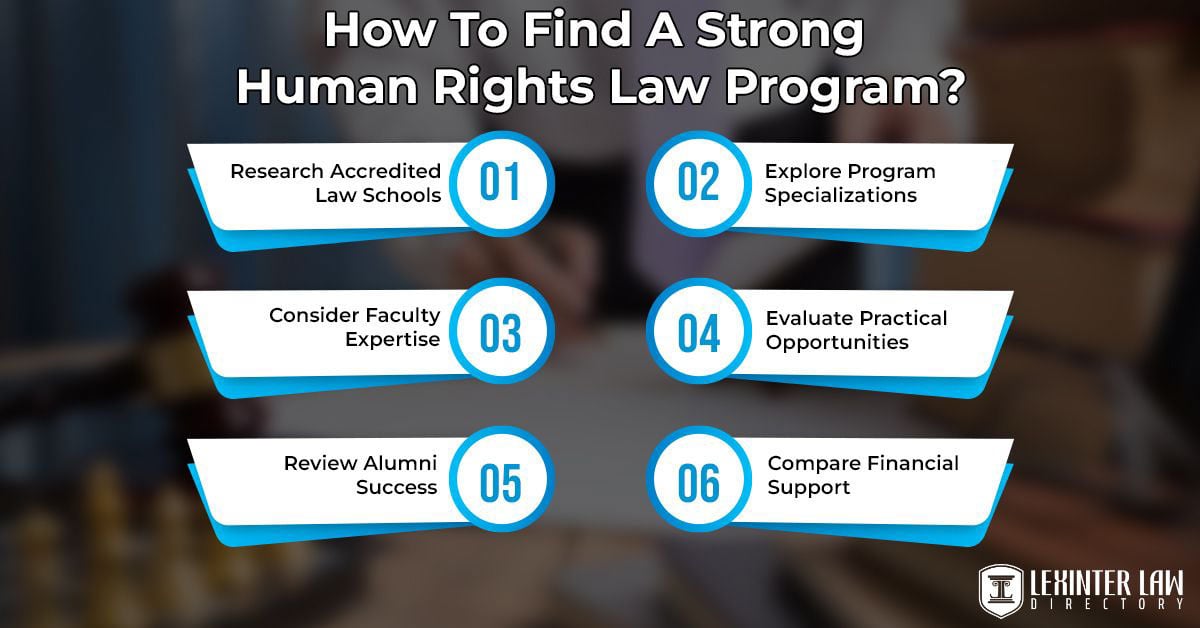
To cultivate the next generation of human rights lawyers, legal education programs are evolving to include more specialized courses on international human rights law, advocacy methods, and the use of technology in legal practice. Internships and volunteer opportunities with NGOs also provide aspiring lawyers with practical experience.
Conclusion
In conclusion, human rights lawyers are essential defenders of justice in our society. Their work not only impacts individual lives but also shapes the future of human rights globally. As advocates for those whose voices may often go unheard, they remind us that the fight for freedom, dignity, and justice is a shared responsibility that requires engagement from all sectors of society. The challenges are significant, but the pursuit of human rights remains a noble and vital endeavor that must continue unabated.

Comments are closed