




Nauru Passport Ranking 2026: A Comprehensive Analysis
In the ever-evolving landscape of global mobility and international travel, the Nauru Passport Ranking 2026 offers critical insights into the standing of Nauru’s passport on the world stage. As travel restrictions continue to shift and geopolitical dynamics alter access to various countries, understanding a passport’s strength is more important than ever. This article delves into the Nauru Passport Ranking for 2026, its implications, and the context within which it operates.
Overview of Passport Rankings
Passport rankings are typically determined by the number of countries a passport holder can enter visa-free or with visa-on-arrival facilities. These rankings are a vital metric for assessing the strength of a passport and are influenced by several factors, including international relations, bilateral agreements, and global political stability. The strength of a passport can significantly affect travel for both tourism and business; thus, a stronger rank often translates to greater freedom of movement for its holders.
The Nauru Passport: A Historical Context
The passport of Nauru, a small island nation in the Pacific, has its unique characteristics shaped by the country’s history, political landscape, and economic factors. As of 2026, Nauru’s passport ranks among the least powerful in the world in terms of global mobility, reflecting both the nation’s size and its diplomatic relations.
Historically, Nauru has had a challenging relationship with larger nations, primarily due to its geographic isolation and dependence on foreign aid and economic support. This context is essential in understanding why the Nauru passport may rank lower compared to those from larger or more economically stable countries.
Ranking for 2026: Current Status
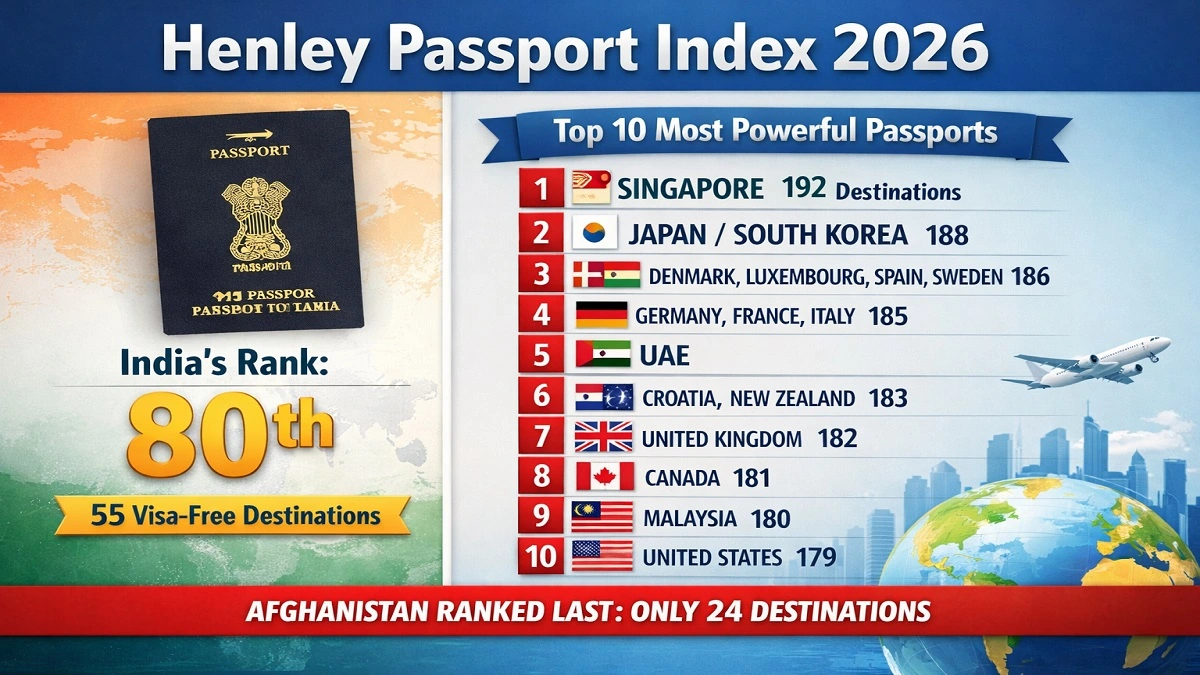
As of 2026, the Nauru passport allows visa-free or visa-on-arrival access to approximately 50 countries worldwide. This position places it lower on the global passport index when compared to more powerful passports like those from Japan, Singapore, or Germany, which offer access to well over 180 countries without a visa. The disparity in rankings highlights the broader trends in global migration and travel that impact small states like Nauru.
Key Features of the Nauru Passport
The Nauru passport is not just a travel document; it represents a citizen’s identity and is essential for international recognition. Here are some key features associated with the Nauru passport:
- Design and Security: Like many modern passports, Nauru’s passport incorporates advanced security features to prevent fraud and forgery.
- Eligibility: To obtain a Nauru passport, individuals must fulfill specific criteria, including citizenship status and identification requirements.
- Limited Travel Advisory: Passport holders may face more extensive visa application processes for countries that require visas, impacting their travel flexibility.
Visa-Free Access and Popular Destinations
The countries that Nauru passport holders can access without prior visa arrangements—mostly smaller nations and territories—often include fellow Pacific Island nations. Popular destinations for Nauruans that reflect these visa agreements include:
- Australia: While historically significant, access often depends on specific visa arrangements rather than direct visa-free travel.
- New Zealand: Similar to Australia, opportunities exist for Nauruans under certain conditions.
- Other Pacific Islands: Access to countries such as Tuvalu, Vanuatu, and Marshall Islands typically requires less stringent entry requirements.
Comparative Analysis: Nauru vs. Other Passports
In analyzing the ranking of the Nauru passport, it is useful to consider how it compares with other passports in the Asia-Pacific region. Countries like Australia and New Zealand offer robust passport indices backed by strong international relations and economic stability. In contrast, the mobility associated with Nauru’s passport reflects its remote location and less influential diplomatic standing.
For instance, a Japanese passport holder enjoys visa-free or visa-on-arrival access to over 190 countries, enabling hassle-free travel across many borders. Comparatively, the Nauru passport does not afford its holders the same ease of access, and this disparity highlights the challenges faced by smaller nations in the travel landscape.
Implications of Passport Ranking for Nauruans
The ranking implications can affect Nauruans in various ways, from travel opportunities to personal and professional advancements. With limited visa-free options, Nauruans may face challenges when engaging in global business or pursuing educational opportunities abroad. This situation can lead to economic implications, wherein individuals from Nauru may find it more challenging to seek employment or educational prospects that could foster personal growth and development.
Looking Forward: The Future of Nauru’s Passport
The future of the Nauru passport ranking largely depends on how the nation navigates geopolitical relationships and seeks to strengthen ties with other countries. For Nauru to improve its passport ranking, enhancements in diplomatic relations and increased recognition on the international stage are crucial.
Initiatives aimed at fostering economic growth, tourism expansion, and international cooperation can play a pivotal role in this process. Emphasizing the importance of connectivity in a globalized world is vital for Nauru’s aspirations, as improved mobility can lead to enhanced prospects both for the nation and its citizens.
Conclusion
The Nauru Passport Ranking for 2026 serves as a significant reflection of the nation’s place within the global context of mobility and international relations. As Nauru navigates its unique challenges and opportunities, the prospects of enhancing its passport standing will depend on strategic diplomatic efforts and economic initiatives that promote connectivity and growth. In a world where the strength of a passport can open or close doors, understanding these dynamics is crucial for the citizens of Nauru and their aspirations on the global stage.

Comments are closed