




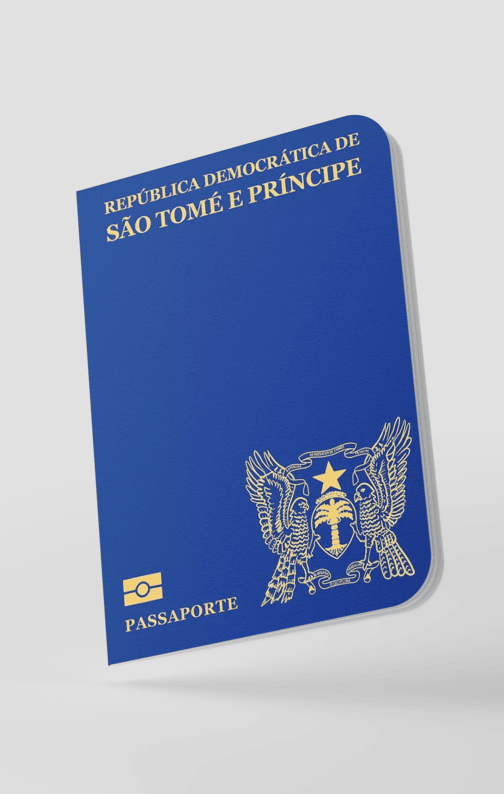
The Sao Tome Passport Ranking 2026 offers an insightful look into the travel freedom and global mobility of the citizens of São Tomé and Príncipe. In an increasingly interconnected world, the power of a passport cannot be underestimated. It not only represents the nation it belongs to but also serves as a gateway to numerous opportunities abroad. In this article, we will explore the current status of the Sao Tome passport, the changes expected by 2026, its importance for citizens, and the global implications of these rankings.
Understanding Passport Rankings
Passport rankings are typically evaluated based on the number of countries a passport holder can enter without a visa or obtain a visa on arrival. Various organizations, such as Henley & Partners, compile these rankings annually, assessing the travel freedom afforded by each country’s passport. The ranking provides valuable insights into the diplomatic relationships and international standing of a nation.
The Current Standing of Sao Tome Passport
As of 2023, the passport of São Tomé and Príncipe ranks modestly on the global scale, providing visa-free access to a limited number of countries. While the exact number may vary, the passport generally allows entry to approximately 50-60 countries without a visa or with visa-on-arrival options. This ranking reflects not only the diplomatic relationships that São Tomé and Príncipe has cultivated but also the global perception of its economy and political stability.
Predictions for 2026
Looking ahead to 2026, several trends suggest that the Sao Tome passport may observe improvements in its ranking. With a focus on enhancing international relations, trade partnerships, and tourism, the government of São Tomé and Príncipe is poised to seek better agreements that can enhance visa access for its citizens. Here are several factors that could contribute to an improved passport ranking:
- Enhanced Diplomatic Relations: By strengthening ties with other nations, especially those within the African Union, São Tomé and Príncipe may negotiate for expanded visa-free access.
- Economic Development: As the economy grows, so does the significance of the nation on the global stage. A robust economy often leads to better diplomatic relations.
- Regional Integration: Collaboration with neighboring countries to create policies that facilitate travel among them could also contribute to an improved passport ranking.
The Importance of Passport Rankings for Citizens
For the citizens of São Tomé and Príncipe, the significance of an improved passport ranking cannot be overstated. A higher-ranking passport typically translates to broader travel options, enabling citizens to explore global opportunities for work, education, and tourism. It fosters international connections and enhances trade relations, which can lead to economic growth in their home country.
Additionally, a reputable passport can enhance national pride. Citizens may feel a stronger sense of belonging and identity when represented by a passport that is recognized globally. This emotional aspect plays a crucial role in shaping public perceptions of governance, national identity, and social cohesion.
Global Mobility and Its Implications
An increasing trend towards globalization requires countries to rethink their visa policies. As more nations encourage inbound tourism and business, a visa-free or visa-on-arrival ranking becomes pivotal. For regions like West Africa, increased mobility can translate into economic opportunities and development. Improved passport rankings for São Tomé and Príncipe could serve as a model for regional cooperation in liberalizing visa requirements.
How Passport Rankings Affect International Relations
Passport rankings are also a reflection of international relations. Countries ranking high on the list typically enjoy better diplomatic ties, allowing their citizens broader travel freedom. Conversely, those with lower rankings may struggle due to perceived risks or weaker international standing. This interconnectedness means that São Tomé and Príncipe’s ability to climb the ranks is not isolated; it requires active participation in international relations, trade agreements, and regional developments.
Challenges Ahead
Despite the potential for growth in the Sao Tome passport ranking, several challenges remain. Domestic factors such as political instability, economic downturns, and governance issues could hinder progress. Moreover, international issues such as global pandemics, migration policies, and geopolitical tensions also play significant roles in how passports are perceived worldwide.
Conclusion
The outlook for the Sao Tome passport ranking in 2026 is cautiously optimistic. While the potential for improved global mobility and enhanced international relations exists, the path forward requires concerted efforts by the government, the population, and international partners. As São Tomé and Príncipe seeks to bolster its position on the world stage, the evolving dynamics of passport rankings will continue to reflect the broader trends in global mobility and diplomatic relations.

Comments are closed